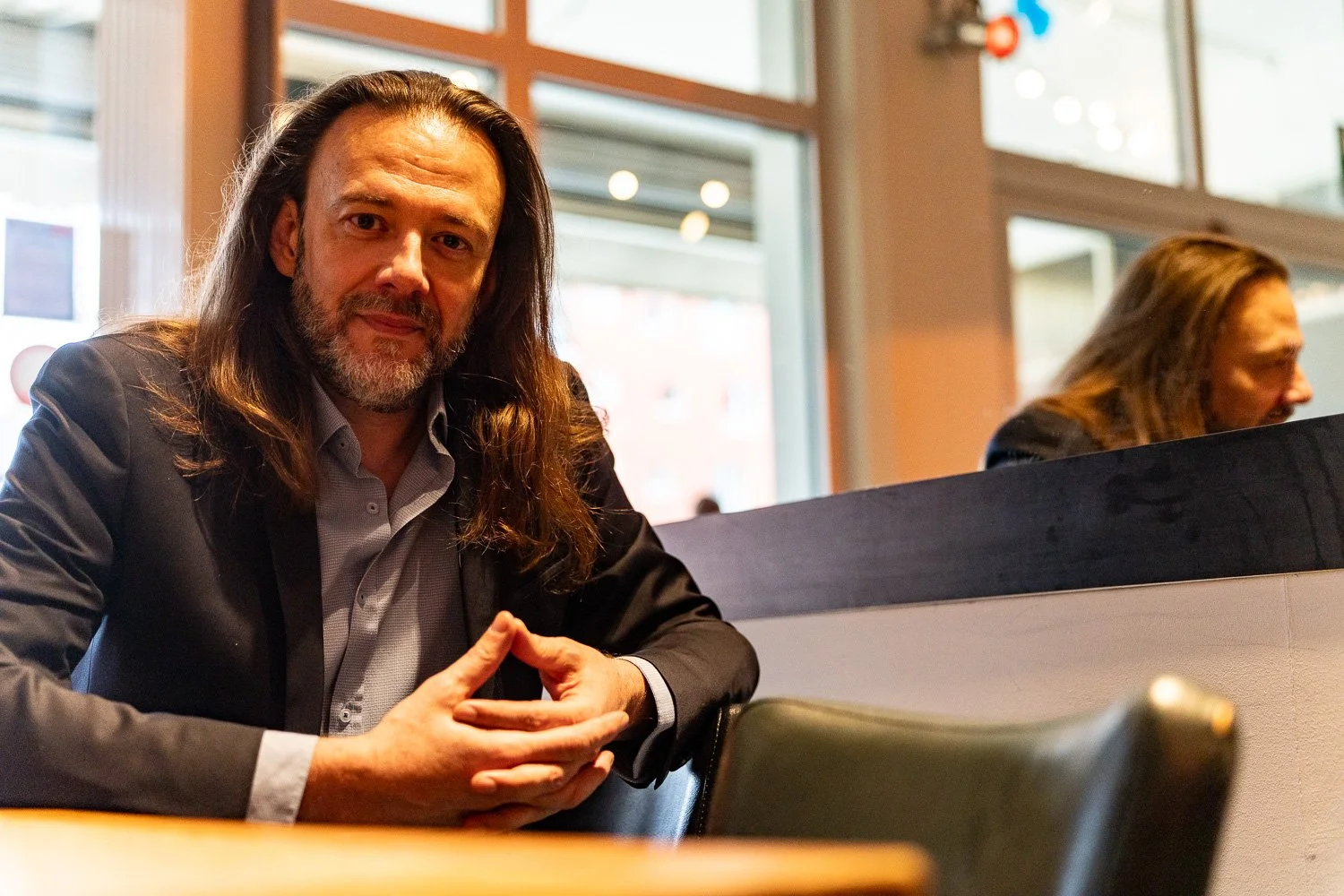
Orchestral and Chamber Music for a World in Transition
Belgian classical composer Kris De Ruysscher’s work forms a unique synthesis of modern classical music, cinematic soundscapes, ambient textures, acousmatic elements, and post-minimalism.

Drawing inspiration from cosmopolitan experiences, cultural diversity, and deep artistic introspection, his compositions explore new sonic landscapes and push the boundaries of musical form, resulting in innovative works that engage both the intellect and the emotions.
De Ruysscher’s music has been featured on various radio stations and multimedia platforms, including documentaries, short films, installations, and dance performances. His ability to create rich, cinematic atmospheres makes his work sought after by creators aiming to establish a profound emotional connection with their audiences.
Through his mastery of delicate harmonies, refined polytonal and polyrhythmic structures, and complex sound textures, he evokes beauty, introspection, and subtle melancholy — all hallmarks of his musical language. His pieces are often static, utilizing slow-shifting harmonics, continuous drones, and pulsing rhythms. This demands that listeners slow down and immerse themselves in the unfolding sonic environment.
Kris De Ruysscher’s recorded works reflect a deep commitment to emotional clarity, structural elegance, and sonic exploration.
In 2025 Kris was awarded four Platinum Awards at the Debussy International Music Contest in the categories of Original Composition, Orchestral Music, Chamber Music, and Innovative Writing.
The latter also earned him the Debussy Excellent Creativity Special Award, recognizing the boldness and originality of his musical voice. These international honors highlight his distinctive contribution to the contemporary classical landscape and his growing recognition among today’s most forward-looking composers.
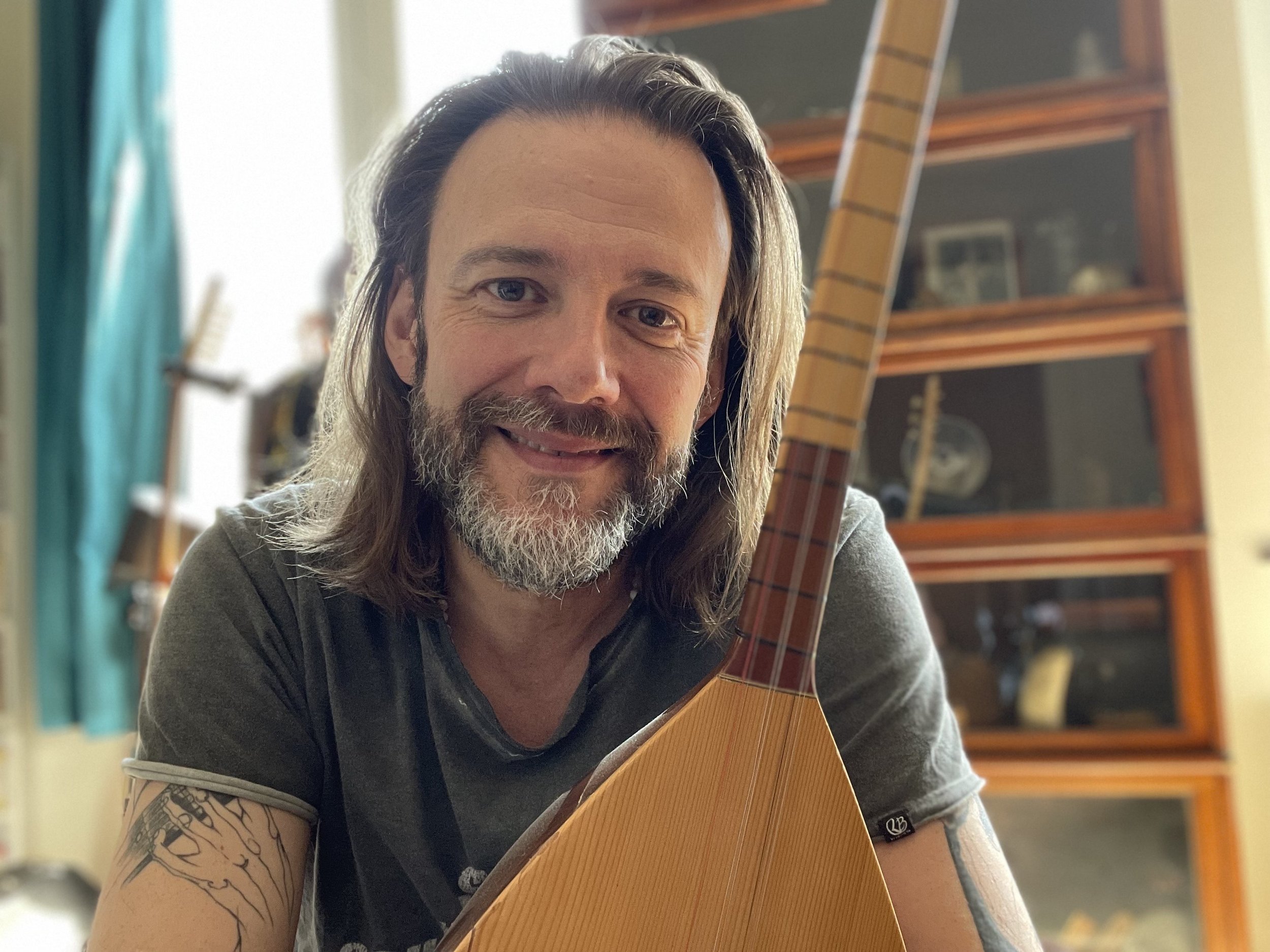
A finalist in several other international composition competitions, De Ruysscher also shares his expertise as a teacher of composition and guitar.
He is currently Composer-in-Residence for Brussels Muzieque, is a leading chamber music institution based in the capital of Europe, curating outstanding performances and fostering collaborations with distinguished international artists.
His works are published by Groovy Scarab Music Publishing, ASCAP.
He is an affiliated member of the Forum de la Création Musicale (formerly known as the Forum des Compositeurs), a member of the International Society of Contemporary Music (ISCM), the European Composers and Songwriters Alliance (ECSA) and a partner of the Villa des Compositeurs, a French endowment fund for the preservation of contemporary musical heritage.
Composition-of-the-Month
(featuring the latest release)
"We are such stuff as dreams are made on..."
Welcome to my sonic rendering of a rather damp, spirit-infested isle. Prospero is my contemporary classical suite and full score dedicated to Shakespeare’s final, most enigmatic farewell.
Instrumentation: Flute/Alto Flute, Oboe/English Horn, 2 Clarinets, Bass Clarinet, Bassoon, 3 Baritone Saxes, Horn, Trumpet, Trombone, 2 Vibraphones, Piano, Harp, Sine Wave, Bass Drum, Viola, 4 Cellos and Double Bass (though they never play tutti).
For theatre makers seeking a distinct atmospheric framework for the stage, or listeners simply partial to high-art wizardry without academic pomposity, you are in safe hands.